AI-native product development: from idea at 8 a.m. to engineering-ready by 5:01 p.m.
The problem
Most of the slow work in a product organization is translation: from one format to another, from a symptom to its root cause, from an idea to a story an engineer can build. It's done by hand, in meetings, and it's the reason good ideas take a quarter to ship.
What I saw
AI is very good at translation, as long as a human reviews the output and the parts that must be exact stay deterministic. One product leader with the right guardrails can now take an idea through scoping, design, build and testing in a day.
What I built
I use this method daily, in my day job and on my own projects. I own the design and the decisions; AI does a lot of the typing. The public examples, all on GitHub:
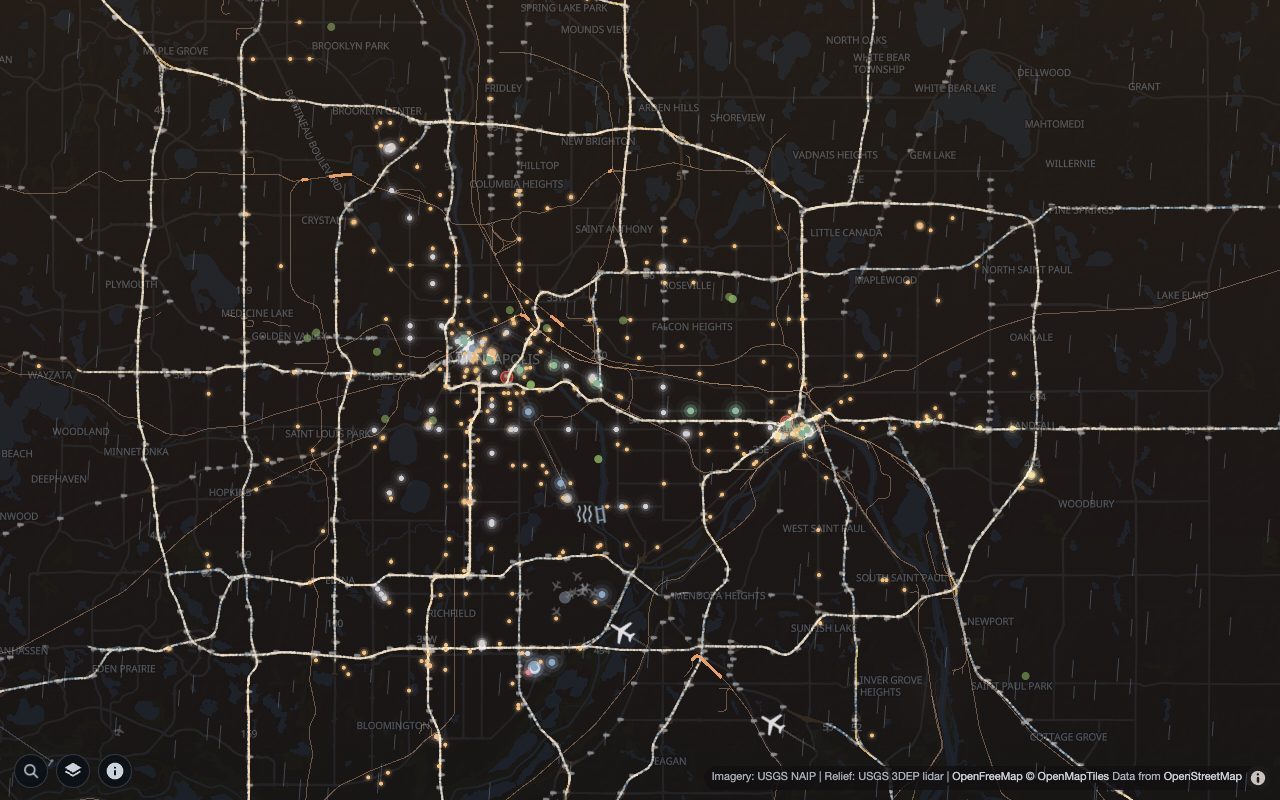
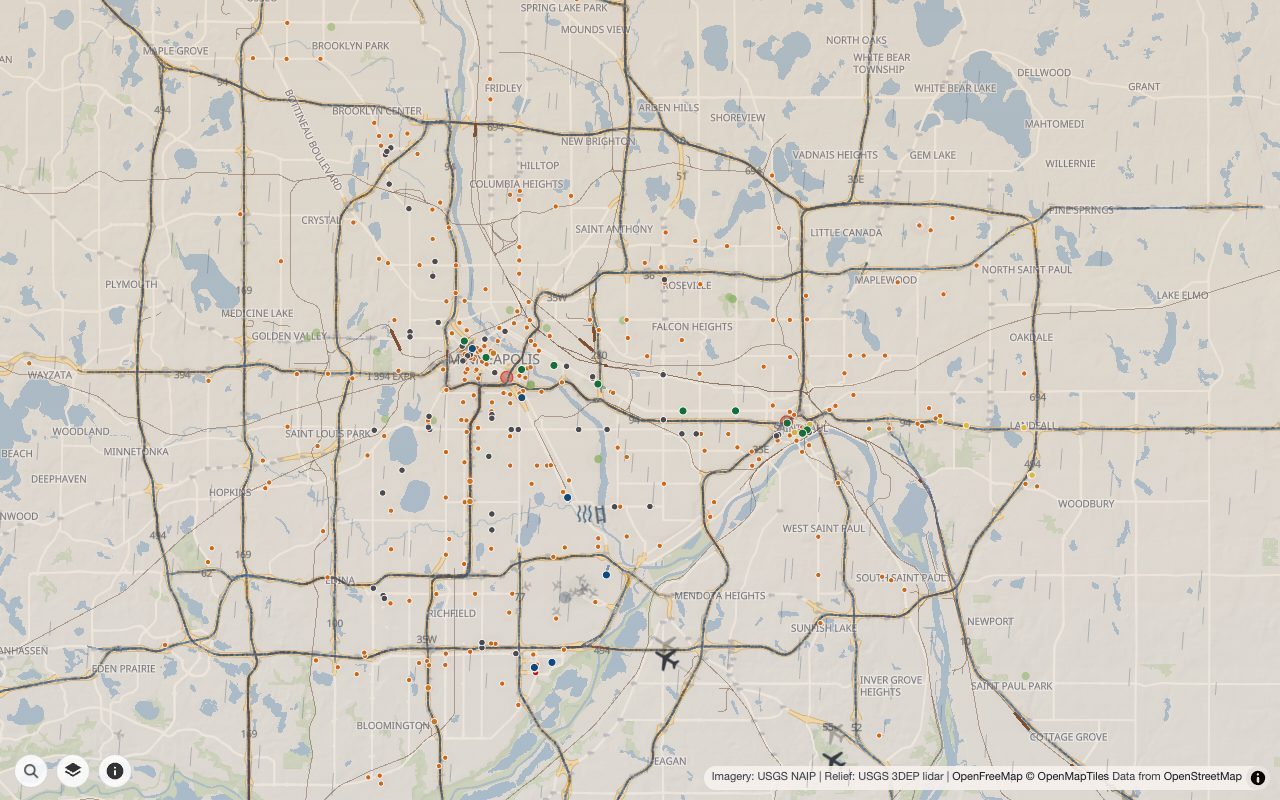
- Minneapolis From Above: an ambient, live top-down map of the Twin Cities. Real buses, light rail, planes, Amtrak, freeway traffic, satellites, river locks, weather and wildlife move in near real time across 20+ public data feeds, with terrain shaded from USGS lidar and a sky that follows the real sun. Every hover card says which layers are live and which are modeled. No accounts, no tracking, a strict security policy. I scoped it by voice during a 60-minute drive; Claude Code built and tested it while I power washed a deck, and it was live that day. (write-up, code)
- Yacht or Naught: a real-time multiplayer music trivia game for up to 10 players, on Cloudflare Workers and Durable Objects with the Spotify Web Playback SDK and a 2,468-song library.
- SwapCityClassic: a top-down driving game on real Minneapolis streets from OpenStreetMap, with building heights measured from USGS lidar, traffic and pedestrian simulation and an automated test suite, packaged as a single file that runs offline. Playable in the browser. (code)
- Shiely Capture: a Mac menu bar screenshot tool with Snagit-style scrolling capture and video.
- Clipbook: a macOS clipboard history in a grid of large tiles, stored locally in SQLite, that skips password-manager items. A 90-second spec and a few design questions; it was built, tested and running when I got back from a 60-minute walk. (write-up)
I run the same method at home. With AI as my analyst, a line-by-line review of every bill, policy and fee in my household now saves about $15,100 a year in recurring costs.
What I learned
English is now a programming language. The hard part isn't the AI; it's the guardrails: standards, review and deterministic outputs, so speed doesn't cost trust.