"In Stock" - But is it on the shelf for me to buy?
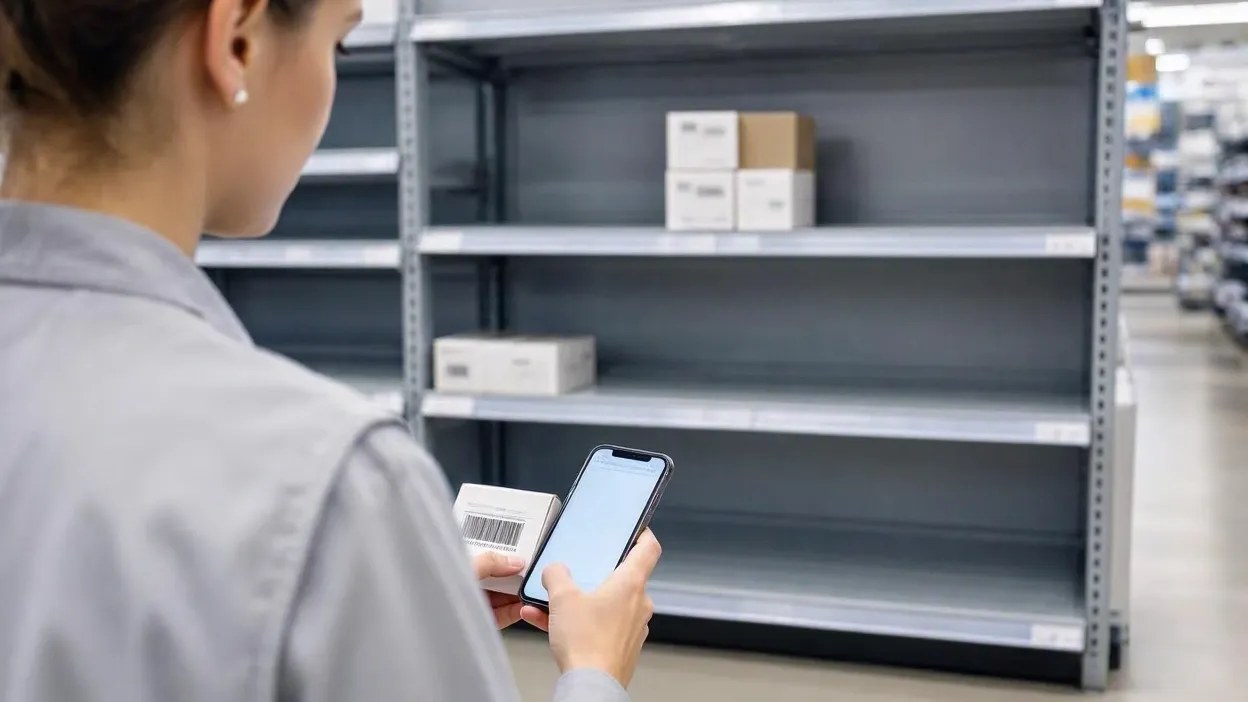
“Shelf In Stock” is not yet a thing, but it’s close. “In stock” isn’t as easy as it sounds - let me explain.
Have you ever placed an order and later received a substitution notification? The app said “in stock” when you ordered, and later the merchant tells you they swapped it for something else. Or “we’ll ship it to you instead.” Same signal. The system (store) had it. The shelf didn’t. As more orders are fulfilled by stores, the “shelf in stock” problem becomes more pronounced, and substitutions and ship-insteads increase.
A substitution or ship-instead is the customer getting less than what, or when, they wanted. Nobody lied. Everyone is trying. When you placed your order, the system probably did have it. Then the clock ran. Other shoppers walked by, other orders got picked, and by the time the picker got to your item it had dwindled. Digital orders can be placed hours before someone picks them. Wouldn’t it be great if the store simply gave me what it said it had when I ordered?
Why does the shelf come up empty? Retail aspires to keep shelves stocked 100% of the time, but reality seeps in. Your item may have been the last unit, sitting in someone’s cart. Maybe the units are spread across three or more shelves or endcaps. Maybe it’s in the back room, not on the shelf. In every case the system says “yes” and the shelf says “nope.”
The inventory system likely counts the back room and the shelf as one total. The online shopper sees that total as “in stock.” The picker sees it too, because they’re sent to where the units should be. The digital shopper may see “in stock” while the in-store shopper sees an empty shelf.
You can’t sell what you can’t see (I credit Crilissa Fenner with this quote - I think of it all the time). The digital shopper can “see” it. The in-store shopper may not.
Digital shoppers aren’t promised an in-stock shelf. They’re promised “in stock.” No-picks, substitutions and ship-instead orders are the signals that those two things aren’t the same. My hypothesis is that signals exist to detect dwindling units before a point of sale event happens.
Where could those earlier signals come from? My belief is from the people (shoppers and employees) already at the shelf, and I have five ideas:
-
The shoppers themselves. Scan and go is legit now. Sam’s Club’s CFO said in June 2025 that Scan and Go was 35% of sales in the latest quarter. Every one of those scans happens at the shelf, before the sale posts. Does a scan decrement available units? Likely, yes. Can the shopper put it back? Yes, they delete it from the basket on their device. But a scan is still earlier than the register, and earlier is what I’m after. It may make sense to “reserve” the scanned unit while decrementing it from the store’s available units.
-
Reserve the unit when the digital order comes in, and pick it from the back. That preserves the shelf units for the person standing there. If the back is organized enough, start the pick there - digital orders get sourced from the in-store back room first, if possible. If it’s the last unit on the shelf, the in-store shopper can still buy it, and the digital shopper has already bought theirs.
-
Make the shelf label smarter. Let the shopper scan it and see a button that says “Bring me some.” Now a bare shelf is a customer telling you what they want, with an in-store sale attached. It can also mean “what’s here isn’t enough.” Maybe they want six and the shelf holds two. Retail has a tyranny of the urgent, and a task with an in-store sale behind it can rise to the top of the list because a customer is waiting. A shopper who asked for the item is also less likely to substitute. They could ask an employee for help, but that help is hard to come by. Today we give them nothing to press. That’s my belief, and I’d love to see someone test it.
-
The picker is already at the shelf, scanning the item, device in hand. With an SOP, that one scan measures two things at once. The foreground is the item. The background is that unit’s shelf, and a camera is already pointed there. That image can tell whether the shelf is getting thin, while also scanning the item. The picker is one of the best sensors already in the building, and today they scan the unit and walk to the next one. Yes, something has to read that image, and I don’t know how well that works on a crowded shelf. But the scan is the trigger, so there’s nothing extra to ask of the worker. The system does the extra step. And it happens before the next in-store shopper finds the bare spot.
-
Predict out of stock for digital using in-store velocity. The shopper in the aisle is draining the shelf right now, and the digital shopper can’t see that. Say the system shows four units and the aisle is selling two an hour. An online order placed now, picked in a few hours, is already at risk. “In stock” online should reflect what will likely be there when the picker arrives, not just what the system counts right now. Yes, velocity swings by hour and by day, and a forecast will be wrong sometimes. Of course a wrong “out of stock” hides something that was there. But a wrong “in stock” is the substitution notification, and that’s the one the customer remembers.
Naturally, this approach won’t count every unit. Of course the back room count is only as good as the last time someone checked it. But that isn’t a reason to keep what we have today - a shelf nobody can see until the shopper is already standing at it. None of this needs robots in the aisles or a big capital spend. It’s procedural: how a scan gets made, and how shelf stock gets predicted. The people and the devices are already in the store. I’d love to see someone try it.
Sources
First published on LinkedIn, November 2, 2026.