Can Your Customer "Shop The Store" Before a Visit?
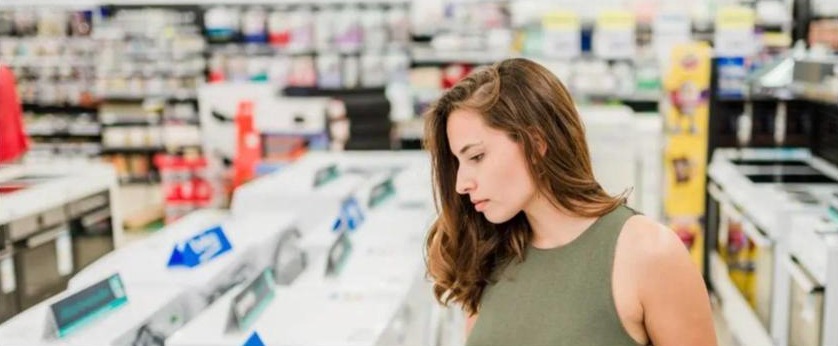
E-commerce and Retail are increasingly two interchangeably used terms. Some have blended them together calling them "Omnichannel" or "Multichannel". For retailers with physical stores, accurate data for in-store availability is a monumental challenge. With foot traffic and human activity in the store, it is a different inventory story than a secure warehouse. Despite this dynamism, do you share with your customer what's in the store before the customers makes the trip?
The website is a worldwide welcome mat for your stores. The stores are a research channel for your website. The stores and the website help each other. They are both designed to serve customers - but one has benefits over the other. Do your colleagues view it this way? Are the metrics of success (Key Performance Indicators/KPI's) reflective of a mutual goal?
Advantages of Stores
There are so many advantages of stores - this is in no way exhaustive. For the sake of this article, sharing ones that e-commerce people may not see as the most obvious:
Speed
Stores can also act as a fulfillment method ("Buy Online Pickup In Store"/BOPIS or "Click & Collect") - a great balance between e-commerce, store fulfillment and customer perceived risk reduction. Local stores are the fastest customer fulfillment method known in retail. When merchandise is at the "last mile", nearest to your customer, it permits your website to offer faster fulfillment. Which do you think customers like more - "get it today" or "get it in three days"?
Safety
Stores reduce perceived customer risk of an online purchase. Stores bring "tangibility" to an item prior to a customer possessing it. The higher the item purchase price, the greater the likely customer anxiety of purchasing online. Stores can help the customer see it for themselves before taking the plunge. Touching before buying helps reduce the anxiety we all have.
Service
What happens when customers order online and it doesn't don't work out? As an e-commerce professional, are you thinking about the customer who may be on the "unhappy path"? Thanks to physical stores, customers can return it locally and receive an instant refund. Often, the professionals in stores also can help a customer troubleshoot an item which may not be functioning properly. That local expertise is available to help reconcile an unhappy situation.
Do customers know all the different services a store may offer? Do you offer services like tire rotating, tailoring, shaving, skate sharpening, screen repair, charitable organization tax preparation or keg rental? How could a customer know you offer these services?
Reuse & Recycle
When customers return the items, can others customers purchase these perfectly functional items? Is the return policy generous? Does your return policy favor a customer? Are these items able to be seen by a future online customer - or must the right customer walk by the right object at the right time? When the "new" stuff is no longer sold, what do you do with these returned items? If the customer has reached the end of life for the product, do you offer to take the items to recycle them properly?
Start Simple
I have loads of wonderful stories of connecting physical stores to digital experiences. If you are starting on this journey today, start simple. You may not know all SKUs and all quantities of products in your store(s), but you can start with publishing what you believe to be true. You may not want to offer online ordering to start, but online discovery is better than silence.
As I write this, it astounds me that searching for "Snickers candy," a popular candy in the United States, is hardly discoverable in Google Shopping. I know the gas station down the street has them. I know the five grocery stores around me have them. Only two retailers near me have told Google they have them - Fleet Farm and Home Depot.
Google supports an "in store" product availability - where it's not purchasable. Why not tell Google you have Snickers? Google can also tell you the foot traffic to your stores, thanks to Android and Google Maps. Start small. Start with this. You may not have the quantity of Snickers bars on hand, but you can tell Google you sell them. This is not about my obsession with candy - but more of empowering local merchants to tell the digital world of what they can do.
Conclusion
As you can see, "shopping the store" is not only about the merchandise. It's sharing with a customer what is possible in the store, prior to the customer coming to visit. As a customer, have you ever visited a store to learn they don't have what you want? Do you remember the feeling as you walked out? Were you more likely to revisit that store? Improving in these areas creates a tight bond with the audiences you serve. As you improve in this area, you will be astounded with how your digital channels and stores connect with people who need what you offer.
First published on LinkedIn, October 24, 2022.